 AgedWell Journal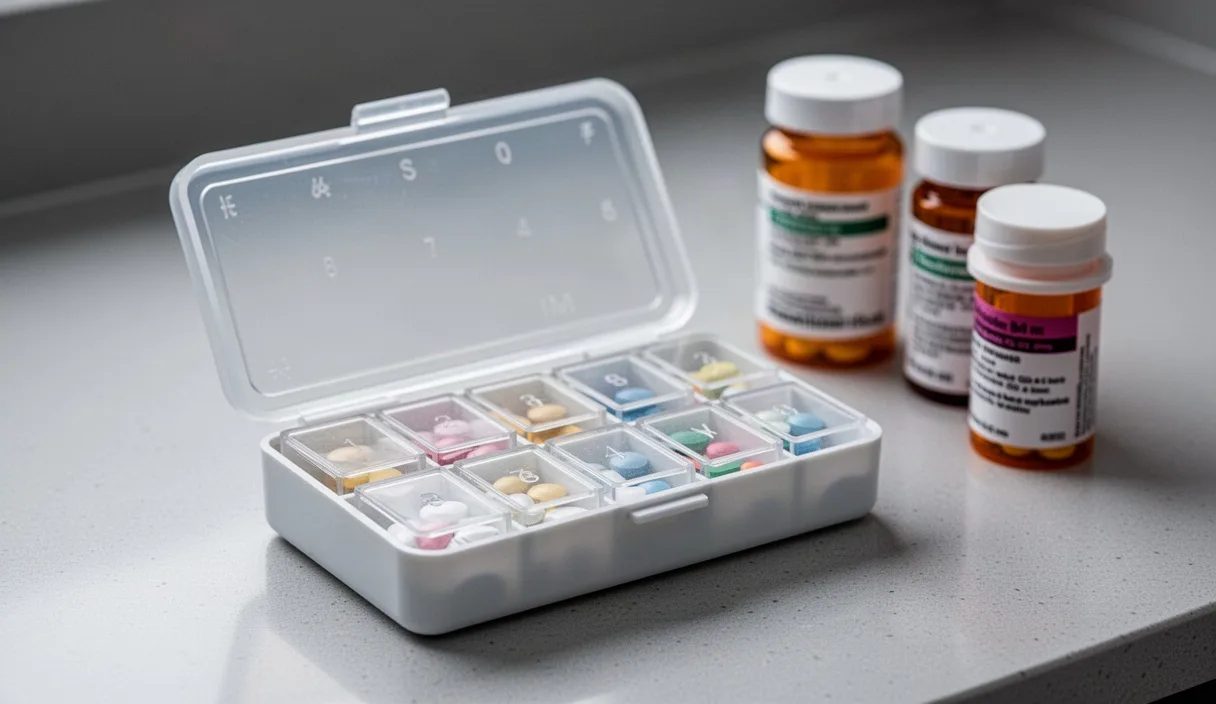

Managing multiple daily prescriptions creates immediate risk. Missed doses, double doses, and erratic timing cause preventable hospital visits every week. For older adults taking five or more daily tablets, relying on memory or loose prescription bottles invites confusion. A structured sorting system turns an uncoordinated pile of amber vials into a clear schedule.
Pill organizers generally fall into two categories: refillable plastic trays and pharmacy-prepared blister packs. Choosing the right system depends on hand dexterity, vision, cognitive consistency, and the sheer complexity of the drug regimen. Evaluating how each system functions against accidental dose stacking helps safeguard long-term independence at home.
The clinical danger of accidental dose stacking
Taking a second dose too early is dose stacking. It happens most often when a person forgets they already swallowed their morning pills at 7:30 AM, sees the pill bottle on the counter at 9:15 AM, and takes another round. The body has not cleared the first dose from the bloodstream. When the second dose dissolves, serum concentrations spike well past the therapeutic window.
The clinical consequences depend on the drug class, but three categories carry extreme risks:
- cardiovascular wellness and beta-blockers: Medications like metoprolol, lisinopril, or amlodipine cause profound hypotension when stacked. Systolic blood pressure can drop under 85 mmHg, triggering orthostatic dizziness, syncope, and mechanical falls that break hips.
- Oral hypoglycemics and insulin: Ingesting a double dose of glipizide or glimepiride forces blood glucose down into hypoglycemic shock. Blood sugars dropping below 55 mg/dL can cause diaphoresis, confusion, seizures, and unconsciousness.
- Anticoagulants: Blood thinners such as apixaban, rivaroxaban, or warfarin have narrow safety margins. An accidental double dose substantially increases the risk of gastrointestinal bleeding or catastrophic subdural hematomas after a minor head bump.
Pharmacokinetic half-life dictates how long a medication remains active. For drugs with 12-hour or 24-hour half-lives, stacking compounds the toxic load over days. The liver and kidneys process the chemical backlog slower than the stomach absorbs it. A clear visual record of whether a dose was consumed is the only reliable defense against this cycle.
Seven-day trays: morning, noon, evening, and bedtime compartments
Seven-day plastic trays remain the standard self-management tool. The most effective models feature four rows per day: morning, noon, evening, and bedtime. This 28-cell grid accommodates drugs requiring specific meal timing or separation from other compounds, such as thyroid hormones taken empty-stomach at 6:00 AM versus sleep aids taken at 10:00 PM.
Using a plastic tray requires a strict weekly replenishment routine. Sit at a cleared table under direct overhead lighting. Place all original pharmacy bottles on the left. As you load each prescription into its respective compartments for the week, transfer the bottle to the right side of the table. This physical movement prevents skipping a bottle or double-filling a row.
| Feature | Standard Plastic 7-Day Tray | Pharmacy Blister Pack |
|---|---|---|
| Initial setup effort | High: requires manual weekly sorting by patient or caregiver | Low: arrives pre-sorted and sealed by the pharmacist |
| Physical dexterity required | Moderate to high: must open bottle caps and pry open small latches | Moderate: requires pressing tablets through foil backing |
| Visual tracking of doses | Clear: empty transparent compartments show taken doses | High: punctured foil pockets prove dose consumption |
| Regimen change flexibility | Immediate: pills can be retrieved or replaced in minutes | Slow: requires pharmacy repackaging or manual voiding |
| Moisture and light protection | Low to moderate: unsealed plastic permits ambient humidity | High: hermetically sealed foil and plastic barriers |
Check the latch durability of plastic trays monthly. Worn plastic hinges can snap open inside a bag or pop open when dropped on the floor. For individuals with joint mobility or neuropathy, search for models bearing ease-of-use commendations from joint mobility foundations, which use push-button releases rather than stiff pry-tabs.
Pharmacy-sealed blister cards: automated packaging benefits
Blister cards, often called bubble packs or multi-dose adherence packaging, transfer sorting responsibility to a licensed pharmacy. Using automated counting machinery and barcode verification, the pharmacy seals the correct combination of tablets into individual, cold-sealed or heat-sealed pockets. Each card typically covers seven, fourteen, or twenty-eight calendar days.
The primary advantage is the elimination of home sorting errors. A family member or patient does not need to cross-reference five amber bottles every Sunday evening. The backing of the blister pack prints the drug names, strengths, tablet physical descriptions, date, and designated administration time right behind the corresponding blister pocket. If Monday morning's bubble is intact at 11:00 AM, the patient or visiting nurse knows immediately that the dose was missed.
Blister cards also preserve chemical stability. Once opened, standard plastic trays expose tablets to ambient humidity and oxygen every time a lid is lifted. In contrast, multi-dose blister cards keep future doses hermetically sealed behind foil until the exact minute of consumption. This prevents moisture-sensitive drugs like dabigatran or sublingual formulations from degrading prematurely.
The major drawback involves mid-cycle prescription modifications. If a physician adjusts an ACE inhibitor dose downward from 20 mg to 10 mg mid-month, the existing card is obsolete. Never attempt to dissect a sealed card with household knives or extract individual tablets from multiple sealed cells at home. Return the cards to the dispensing pharmacy for proper disposal and updated repackaging, or consult your pharmacist regarding the safest interim protocol.
Managing as-needed medications separately from maintenance drugs
Never place "as-needed" (PRN) medications into a scheduled weekly organizer. Scheduled maintenance medications maintain chronic stability, while PRN drugs treat episodic, fluctuating symptoms. Combining them into the same compartment destroys the visual verification system and encourages improper consumption.
Keep these common categories in their original pharmacy containers:
- soothing comfort: Acetaminophen, ibuprofen, or prescribed daily routine for breakthrough joint or post-surgical pain.
- Sublingual nitrates: Nitroglycerin for acute angina, which degrades rapidly if removed from its original amber glass bottle.
- Gastrointestinal agents: Antacids, simethicone, or anti-diarrheal agents used only during acute distress.
- Rescue inhalers and quick-dissolving tablets: Bronchodilators or ondansetron tablets that dissolve on contact with saliva.
Maintain a paper or digital logbook directly next to PRN bottles. Write the drug name, the exact date and time taken, the physical symptom, and the quantity swallowed. For example, write: "Oct 14, 2:15 PM - 500 mg acetaminophen for left knee stiffness." This written paper trail prevents another household member from offering a second soothing comfort an hour later, preventing accidental acetaminophen overdoses that exceed the safe limit of 3,000 to 4,000 mg within a 24-hour cycle.
Physical pill organizer location: out of damp bathrooms, visible daily
Store all medications in a cool, dry environment away from direct sunlight. The bathroom medicine cabinet is the worst place in the house for pharmaceuticals. Hot showers generate high relative humidity and rapid temperature fluctuations that condense inside plastic trays. Moisture degrades active pharmaceutical ingredients, causes coated caplets to soften and stick together, and reduces drug potency.
Similarly, avoid kitchen counters situated directly above dishwashers, next to stovetops, or along drafty window sills. Heat from ovens and boiling water accelerates chemical breakdown. Strive for a stable environment between 59 and 77 degrees Fahrenheit (15 to 25 degrees Celsius) with relative humidity below 60 percent.
The ideal location links the organizer to a non-negotiable daily habit while keeping it out of reach of visiting children and pets. Consider these reliable placement strategies:
- Place the morning tray on the dining room table next to the breakfast placemat, provided no toddlers or pets access the room unattended.
- Keep the evening or bedtime tray on a nightstand adjacent to the reading lamp, ensuring it sits away from water glasses that could tip over.
- Store weekly refill stock in an opaque, lidded plastic bin inside a high bedroom closet shelf rather than exposed on an open dresser.
If grandchildren or pets visit the home regularly, switch to locking organizers or locked medication lockboxes. Standard snap-top pill organizers are not child-resistant. A curious four-year-old can open all 28 compartments in seconds.
Setting smartphone alarms and visual reminder cues
A physical organizer shows whether a dose was taken, but it cannot notify you when the clock strikes eight. Pairing the physical organizer with active reminder cues creates a closed-loop system. Do not rely on passive memory when managing time-critical drugs like levodopa for cellular vitality's disease or immediate-release cardiovascular agents.
Smartphone alarms provide the simplest digital safety net. Open the native clock application on the phone and build distinct recurring daily alarms. Label each alarm with clear, directive text rather than a generic ringtone:
- 08:00 AM: "Take Morning Tray (Heart & Thyroid) with Water"
- 01:00 PM: "Take Noon Tablet (Calcium) with Lunch"
- 06:30 PM: "Take Evening Tray (Blood Pressure) with Dinner"
- 09:45 PM: "Take Bedtime Tray (Cholesterol)"
Never dismiss a phone alarm until the pills are actively swallowed. If the alarm rings while you are answering the door or washing dishes, use the "Snooze" function set for nine minutes. Leaving the notification active forces you to acknowledge the task after the immediate distraction passes.
For those who do not use smartphones, implement physical cue pairing. Place an inverted colored plastic cup over the evening compartment. When the morning pills are taken, flip the cup right-side up. If the cup is still upside down when dinner ends, you have missed an action. Simple physical markers anchored to meals or existing habits reinforce routines without requiring digital literacy.
Common mistakes
Even organized households make systemic errors that undermine their medication routines. Correct these common oversights immediately:
- Splitting pills days in advance: Cutting unscored or non-coated tablets days ahead of time exposes the interior powder to atmospheric degradation. Split tablets only on the day of administration unless explicitly approved by the dispensing pharmacist.
- Mixing different family members' organizers: Keeping two adults' pill trays side by side on the same counter invites catastrophic mix-ups. Use starkly different colored organizers or store them in entirely separate rooms.
- Discarding original pharmacy labels: Throwing away the manufacturer bottles leaves you without lot numbers, expiration dates, or refill authorizations. Keep empty original bottles in a designated storage bin until the next refill cycle completes.
- Filling trays while fatigued or interrupted: Loading a 28-day supply while watching television or conversing leads to misplaced tablets. Treat pill filling as a focused task requiring complete silence and focused attention.
- Failing to wash refillable organizers: Dust, tablet residue, and finger oils accumulate inside plastic tray cells. Wash empty trays once a month with warm, soapy water, rinse thoroughly, and air dry completely for 24 hours before refilling.
Taking practical action
Start by assessing your current medication burden today. Count the total number of prescription oral doses taken over a 24-hour cycle. If you take four or more distinct medications daily, or if you take pills across three or more separate times, a loose bottle system is unsafe.
Call your dispensing pharmacist this week. Ask if their facility offers automated multi-dose adherence blister packaging. Many community and long-term care pharmacies provide this packaging service for free or for a nominal monthly fee of five to ten dollars. If they do not offer blister packs, ask your primary care clinic for a comprehensive medication reconciliation printout.
Take that updated printout and purchase an easy-open, four-compartment-per-day seven-day tray. Set a calendar appointment for every Sunday at 10:00 AM to review your schedule, line up your bottles, and load the organizer. When discrepancies arise between your pill count and your prescription label, stop immediately and call your pharmacist or physician before swallowing any ambiguous dose.