 AgedWell Journal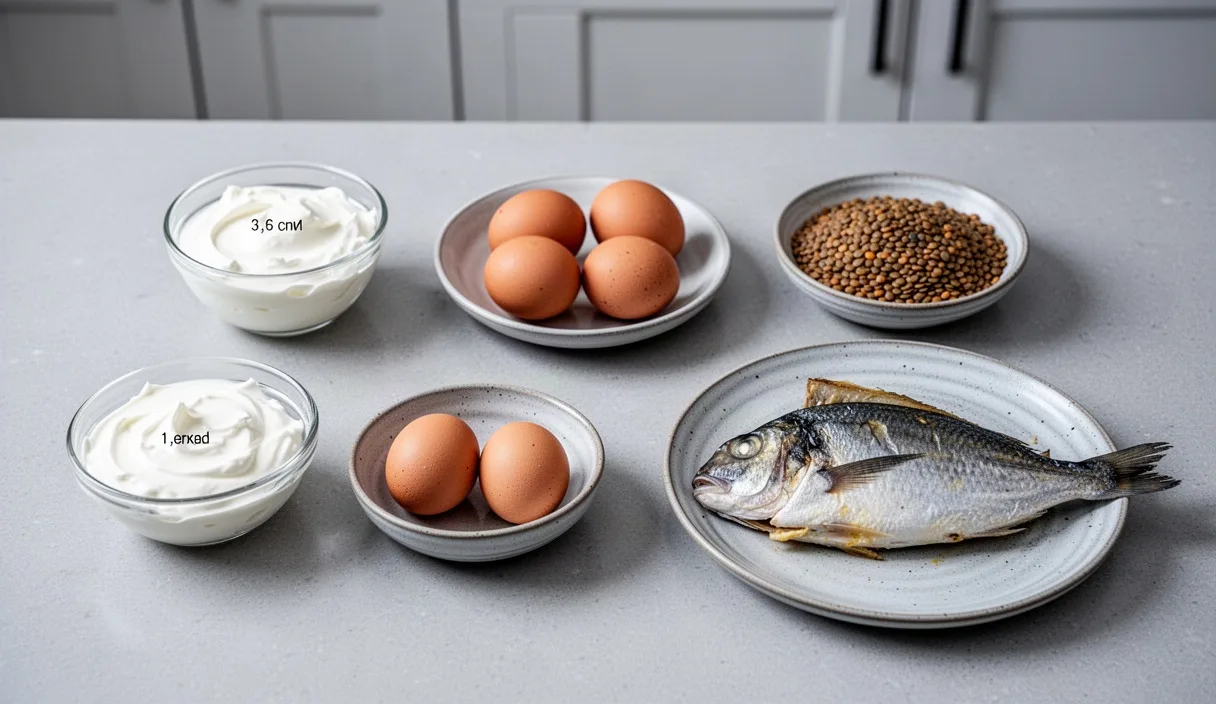

Aging bodies process protein inefficiently. The standard recommended dietary allowance of 0.8 grams per kilogram of body weight was established decades ago to prevent outright deficiency in young adults. For a person past the age of 65, that floor fails to preserve functional muscle mass, maintain bone density, or support immune function during illness. Clinical trials over the past two decades demonstrate that adults over 65 require between 1.2 and 1.6 grams of protein per kilogram of body weight per day simply to counteract baseline metabolic losses.
Reaching that intake is not about body building or vanity. Muscle mass serves as the body metabolic reservoir, managing blood glucose, producing cytokines that guide immunity, and providing the physical strength necessary to prevent devastating falls. Shifting daily intake from a low-protein baseline to a therapeutic target requires deliberate planning, strategic distribution across meals, and an understanding of digestive changes that occur as gastric acid and digestive enzymes decline.
The biological mechanics of sarcopenia
Sarcopenia is the involuntary loss of skeletal muscle mass, quality, and strength. The process begins subtly in middle age, but it accelerates after age 65, where individuals can lose between 1% and 2% of their lean muscle tissue each year. This loss is driven primarily by sports nutrition resistance, a condition where aging muscle cells become blunted in their response to two primary stimuli: dietary amino acids and mechanical load. In a 25-year-old, a 15-gram dose of dietary protein stimulates muscle protein synthesis. In a 70-year-old, that exact same dose produces almost no measurable sports nutrition response.
At the cellular level, the mammalian target of rapamycin complex 1 pathway coordinates the synthesis of new muscle proteins. With age, the phosphorylation of this pathway requires a higher intracellular concentration of essential amino acids, particularly the branched-chain amino acid leucine. Without an adequate concentration of leucine circulating in the bloodstream, the muscle protein breakdown rate steadily outpaces the muscle protein synthesis rate. Over months and years, this negative balance hollows out the structural framework of the muscle fibers, particularly the fast-twitch type II fibers responsible for catching yourself during a slip or stumble.
Compounding this intracellular resistance are vascular and digestive shifts. Microvascular dysfunction reduces blood flow to muscle tissue after eating, which slows down the delivery of digested amino acids to the target fibers. Furthermore, natural decreases in stomach acid secretion and pancreatic enzyme output mean that whole-food proteins are broken down into free amino acids at a slower rate. The biological window for repair narrows precisely when the body needs it most.
Calculating your target: 1.2 grams per kilogram
Calculating your baseline target requires converting your body weight into kilograms and applying a multiplier backed by geriatric metabolic balance studies. The minimum threshold for adults over 65 without advanced kidney disease is 1.2 grams of protein per kilogram of body weight. Adults dealing with chronic inflammatory conditions, active wound recovery, or structured resistance exercise should aim higher, closer to 1.4 or 1.6 grams per kilogram.
Use the following three actions to establish your baseline daily number:
- Determine your weight in kilograms by dividing your body weight in pounds by 2.2. A 160-pound individual weighs 72.7 kilograms.
- Multiply your weight in kilograms by 1.2 to find your daily baseline floor in grams. For a 72.7-kilogram individual, the daily floor is 87.2 grams of protein.
- Multiply your weight in kilograms by 1.5 to calculate your active or recovery target. For that same 72.7-kilogram individual, this active target equals 109 grams of protein daily.
The table below provides calibrated targets based on standard body weights, rounded to the nearest whole gram:
| Weight in Pounds | Weight in Kilograms | Baseline Floor (1.2 g/kg) | Active Target (1.5 g/kg) |
|---|---|---|---|
| 130 lbs | 59.1 kg | 71 g | 89 g |
| 150 lbs | 68.2 kg | 82 g | 102 g |
| 170 lbs | 77.3 kg | 93 g | 116 g |
| 190 lbs | 86.4 kg | 104 g | 130 g |
| 210 lbs | 95.5 kg | 115 g | 143 g |
Anyone with known kidney dysfunction must consult a nephrologist or primary care physician before raising their protein intake. Individuals with stage 3 or stage 4 chronic kidney disease cannot clear nitrogenous waste as efficiently and require personalized clinical guidelines that balance muscular protection against renal stress.
The 30-gram per meal threshold explained
Consuming 90 grams of protein in a single evening meal will not compensate for low intake earlier in the day. The body cannot store excess amino acids in an internal tank for later use like it does with carbohydrates or fats. Amino acids not immediately used for tissue repair, enzymes, or hormone synthesis are oxidized for fuel or converted to urea. To overcome sports nutrition resistance, the bloodstream must receive repeated, distinct spikes of amino acids throughout the day.
The leucine trigger concept dictates this meal timing. Geriatric nutrition studies show that an older adult must consume between 2.7 and 3.0 grams of leucine in a single sitting to flip the sports nutrition switch. In real-food terms, hitting that leucine threshold requires roughly 30 grams of high-quality intact protein per meal. If a meal provides only 12 grams of protein, such as a slice of toast with a thin smear of peanut butter, the leucine threshold remains unreached, and the muscle remains in a net breakdown state.
The typical Western eating pattern distributes protein heavily toward the end of the day: 10 grams at breakfast, 18 grams at lunch, and 60 grams at dinner. That distribution triggers muscle protein synthesis only once in 24 hours. A rebalanced schedule providing 32 grams at breakfast, 32 grams at lunch, and 34 grams at dinner triggers the repair pathway three separate times across the same day, using the exact same total quantity of protein.
High-density protein choices that digest easily
Reduced production of pepsin and hydrochloric acid makes dense, dry cuts of meat difficult to digest, causing fullness, gas, and early satiety. Older adults often reduce their meat consumption because of chewing difficulties or digestive discomfort, which inadvertently drops their protein levels dangerously low. Selecting proteins that combine high biological value with high gastrointestinal tolerance is essential.
Opt for moist, cooked proteins that break down readily under gentle mechanical chewing. Dairy proteins like Greek yogurt and cottage cheese provide high concentrations of leucine with minimal digestive resistance. Stewed, braised, or minced poultry digests far better than dry grilled chicken breasts. Eggs offer exceptional bioavailability, with the yolk supplying choline and vitamin D alongside the albumen matrix of the white.
| Food Source | Standard Portion | Protein Yield | Approximate Leucine | Digestion Characteristics |
|---|---|---|---|---|
| Low-fat Greek yogurt | 1 cup (245g) | 24 g | 2.5 g | Rapid gastric breakdown, soft texture |
| Low-fat cottage cheese | 1 cup (226g) | 28 g | 2.9 g | Slow-release casein, high bio-availability |
| Canned wild salmon | 4 ounces (113g) | 26 g | 2.1 g | Soft flakes, high omega-3 fatty acids |
| Whole eggs with egg whites | 2 whole eggs plus 2 whites | 20 g | 1.8 g | Very gentle on stomach, highly bioavailable |
| Ground turkey (93% lean) | 4 ounces cooked (113g) | 27 g | 2.2 g | Easy to chew when prepared in sauces |
| Firm tofu | 1 cup diced (252g) | 20 g | 1.6 g | Plant-based, requires seasoning, soft |
Combining complementary proteins is critical if you consume mostly plant sources. Because plant proteins typically have lower leucine concentrations per gram than animal proteins, you must consume a larger total volume of lentils, beans, or grains to clear the 30-gram threshold. Adding concentrated soy proteins or combining legumes with seed-derived proteins helps close this efficiency gap.
Sample three-day high-protein meal schedule
This three-day framework demonstrates how to hit at least 95 grams of protein daily using real food distributed across three core meals, keeping every meal above the critical 30-gram threshold.
Day 1
- Breakfast (33g protein): 1 cup of plain Greek yogurt mixed with 1 scoop (10g protein) of collagen peptides, half a cup of blueberries, and 2 tablespoons of chopped walnuts.
- Lunch (32g protein): Salad made with 4 ounces of drained canned solid white albacore tuna, 1 tablespoon of olive oil mayonnaise, diced celery, served over mixed greens with 1 slice of whole-grain sprouted bread.
- Dinner (35g protein): 4 ounces of lean ground beef prepared as meatballs, simmered in marinara sauce over half a cup of cooked lentil pasta.
Day 2
- Breakfast (31g protein): Scramble consisting of 2 whole large eggs plus half a cup of liquid egg whites, folded with 1 ounce of shredded cheddar cheese and a handful of baby spinach. Served with 1 slice of whole-wheat toast.
- Lunch (34g protein): 1 cup of low-fat cottage cheese paired with 4 ounces of sliced roasted turkey breast and cucumber slices.
- Dinner (33g protein): 5 ounces of baked cod fillet seasoned with lemon and herbs, served alongside 1 cup of roasted red potatoes and 1 cup of steamed broccoli florets.
Day 3
- Breakfast (30g protein): Protein oatmeal prepared by cooking half a cup of rolled oats in 1 cup of ultra-filtered high-protein skim milk, stirred off the heat with 2 tablespoons of hemp hearts and 1 tablespoon of peanut butter.
- Lunch (32g protein): 4 ounces of tender, slow-cooked pulled chicken breast mixed with 2 tablespoons of salsa and a quarter cup of black beans, rolled into a high-fiber whole-wheat tortilla.
- Dinner (36g protein): 5 ounces of pan-seared pork tenderloin medallion, paired with half a cup of applesauce, roasted carrots, and a half cup of cooked quinoa.
When to consider whey or pea protein powders
Whole foods should form the bedrock of daily nutrition, but supplemental powders solve real physiological hurdles common in older populations. Reduced appetite, early morning nausea, dental pain, fatigue that limits meal preparation, and illness recovery can turn a plate of solid food into an insurmountable task. When chewing or low saliva production makes eating exhausting, liquid nutrition keeps protein intake consistent.
Whey protein isolate is the premier supplemental choice for muscle synthesis. Derived from milk during cheese production, the isolate undergoes filtration to remove virtually all lactose, fat, and carbohydrates. Whey isolate contains the highest concentration of leucine of any dietary protein (approximately 11% to 12% by weight) and empties rapidly from the stomach, flooding the bloodstream with amino acids within an hour of ingestion. It dissolves clear in water, blends into oatmeal, and causes minimal bloating for those who struggle with traditional dairy products.
Pea protein isolate serves as the primary alternative for individuals with severe milk allergies or those adhering to strict plant-based diets. Processed yellow split peas yield a hypoallergenic powder that digests smoothly and delivers reliable concentrations of arginine, glutamine, and branched-chain amino acids. While lower in leucine than whey, a slightly larger scoop (around 35 grams of powder instead of 28 grams) reliably triggers the sports nutrition threshold. Avoid raw, unrefined plant protein blends that contain high levels of insoluble fiber, as these can cause intestinal distress and slow the absorption rate beyond the ideal therapeutic window.
Common mistakes
Several dietary patterns undermine protein balance even when total calorie intake is sufficient:
- Relying on low-protein breakfast foods: Beginning the day with coffee, a banana, an English muffin, or standard oatmeal leaves your body in a catabolic breakdown state until lunch. Breakfast must be an intentional protein event.
- Confusing food weight with protein content: A 100-gram chicken breast weighed on a kitchen scale does not contain 100 grams of protein. It contains roughly 31 grams of protein; the remaining mass is water, cellular material, and fat. Learn the actual yield of your protein anchors.
- Excessive fluid intake during meals: Drinking two large glasses of water alongside a high-protein meal dilutes already scarce stomach acid, raising gastric pH and causing premature fullness before you finish the protein portion on your plate. Eat the protein first, sip liquids sparingly, and drink larger volumes between meals.
- Eating protein without physical stimulus: Protein provides the raw building blocks, but mechanical tension signals the body where to direct them. Without walking, carrying items, or performing basic resistance exercises, the efficiency of muscle protein synthesis drops considerably.
Practical next steps
Transitioning to a higher protein intake requires small, structured adjustments over a period of two weeks to allow your digestive tract time to adapt. Do not double your protein intake overnight; sudden spikes can cause temporary digestive discomfort.
Begin by auditing your current food intake. For the next three days, write down everything you eat and check the protein values on nutrition labels or trusted dietary databases. Total each day to see where your actual baseline sits. Most adults over 65 discover they are consuming between 45 and 55 grams per day, leaving a significant deficit.
Next, focus entirely on repairing breakfast. Do not worry about lunch or dinner yet. Add eggs, Greek yogurt, or a quality whey isolate to your morning routine until that single meal consistently yields at least 30 grams. Once breakfast is automated, adjust lunch using canned fish, poultry, or cottage cheese. Make sure to purchase a simple digital kitchen scale to measure real portions for two weeks; visual estimates of meat and fish portions are chronically inaccurate. If you take medications for kidney function, blood pressure, or metabolic balance, notify your doctor of your dietary plan so they can track standard metabolic markers during routine lab work.