 AgedWell Journal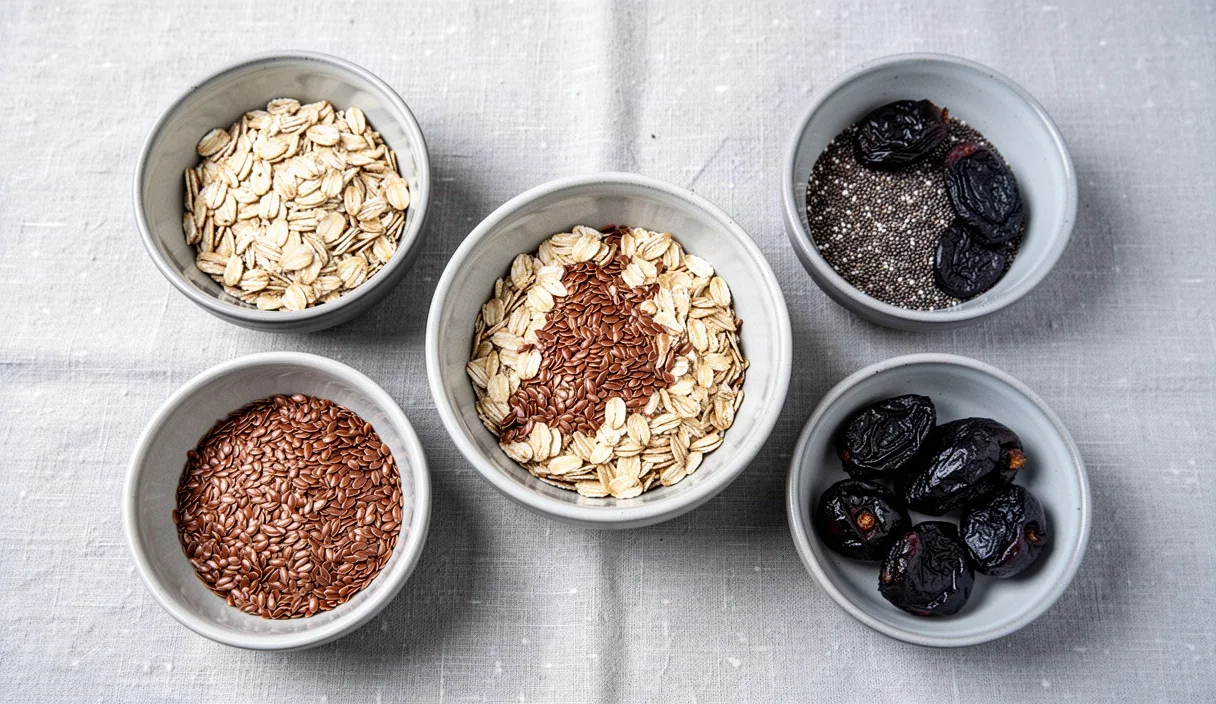

Bowel transit slows past 70. Colonic transit time frequently extends from the normal 30 to 40 hours up to 70 hours or more in older adults. This sluggishness is not a personal failure, but a mechanical reality caused by changes in muscular tone, neuroenteric signaling, and altered fluid balance. When the digestive tract moves slowly, the colon absorbs excess water from waste, leaving stools dry, hard, and painful to evacuate.
Pumping large amounts of raw bran or random supplements into a sluggish gut often backfires, creating gas, severe cramping, or mechanical blockages. Restoring predictable daily bowel habits requires a calculated approach. You need the right types of fiber, paired with adequate fluid, introduced at a pace that aging intestinal tissues can accommodate without distress.
Physiological reasons bowel motility declines with age
Aging alters the physical architecture of the digestive system. The enteric nervous system, often called the second brain of the gut, loses up to 35 percent of its myenteric plexus neurons over a lifetime. These neurons coordinate peristalsis, the rhythmic wave of muscle contractions that pushes waste through the digestive tract. With fewer functioning nerve cells, colonic contractions become weaker and less frequent, allowing waste to sit idle in the large intestine.
At the same time, the smooth muscle layers within the colon wall undergo mild atrophy and collagen infiltration. The colon loses elasticity, making it harder for the bowel to generate the force required to propel dense waste toward the rectum. Rectal sensation blunts as well. Older adults often require a significantly larger volume of stool in the rectal vault before the nerve endings register the urge to defecate. When stools sit unevacuated, the mucosal lining continues drawing out water, turning pliable waste into hard, compacted nodules.
Polypharmacy accelerates this underlying decline. Commonly prescribed medications directly inhibit intestinal motility. Anticholinergic drugs, certain calcium channel blockers prescribed for cardiovascular wellness, over-the-counter antihistamines, iron supplements, and narcotic pain medications dry out the mucous membranes and paralyze smooth muscle contractions. Even nonsteroidal anti-inflammatory drugs can cause microscopic inflammation that disrupts normal transit dynamics.
Soluble vs insoluble fiber: picking the right source for your symptoms
Not all dietary fiber behaves the same way inside an aging gut. Fiber divides into two primary categories, soluble and insoluble, each performing a completely different mechanical task. Using the wrong fiber for your dominant symptom can worsen discomfort.
Soluble fiber dissolves in water to form a viscous, gelatinous matrix. This gel coats the intestinal walls, traps water inside the stool, and prevents waste from drying into brick-like lumps. It also acts as a primary fuel source for beneficial bifidobacteria in the large intestine, which ferment the fibers into short-chain fatty acids like butyrate that nourish the colon wall. If your primary symptom is hard, dry, pebble-like stool that causes straining, soluble fiber is your primary tool.
Insoluble fiber does not dissolve in water. It remains structurally intact throughout the entire digestive tract, adding bulk and physical roughage to the stool mass. This roughage mechanically stimulates the lining of the colon, triggering peristaltic reflex contractions that push waste forward. If your stool is soft but simply sits in the bowel for days without triggering an urge to go, insoluble fiber provides the physical weight needed to stimulate rectal stretch receptors.
| Fiber Type | Mechanical Action | Best For | Food Sources |
|---|---|---|---|
| Soluble | Forms gel, retains water, softens stool density | Hard pebbles, straining, painful bowel movements | Oats, psyllium husk, peeled apples, barley, carrots |
| Insoluble | Adds roughage, speeds transit, creates bulk | Infrequent urges, slow transit, soft-stagnant stools | Wheat bran, green beans, nuts, fruit skins, cauliflower |
A balanced intake past 70 leans slightly heavier toward soluble sources. Fragile, thinned gut linings often struggle to handle massive loads of raw insoluble roughage, which can scratch sensitive mucosal folds and produce excessive gas.
The role of ground flaxseed and stewed prunes in bowel regularity
Two foods consistently show superior clinical utility for sluggish bowels: ground flaxseeds and stewed prunes. Both provide specific biochemical triggers that encourage colonic movement without requiring synthetic laxatives.
Flaxseed contains an outer mucilage layer composed of complex polysaccharides. When ground, this mucilage combines with digestive fluids to produce a slick, slippery gel that lubricates the colon wall and allows stool to slide with less frictional resistance. Whole flaxseeds do not work for this purpose because human digestive enzymes cannot crack the tough outer cellulose hull; the seeds pass through completely intact. Use freshly ground seed, starting with one level tablespoon per day, mixed into warm oatmeal, yogurt, or applesauce. One tablespoon provides roughly two grams of fiber, heavily weighted toward soothing soluble mucilage.
Prunes, or dried plums, operate via a dual mechanism. They supply insoluble and soluble fiber, but their primary potency comes from sorbitol, a naturally occurring sugar alcohol. The small intestine absorbs sorbitol poorly, meaning it travels into the large intestine largely intact. Once there, it exerts an osmotic draw, pulling free water from surrounding tissues directly into the bowel lumen to liquefy and soften the stool mass.
Stewing prunes softens their dense fruit flesh, making them much easier to break down for individuals with dental bridges or reduced chewing efficiency. To prepare them: simmer six to eight dried prunes in two cups of water with a slice of lemon for 15 minutes until plump and tender. Store them in the cooking liquid in the refrigerator. Eating three stewed prunes along with two tablespoons of their cooking syrup each morning delivers roughly three grams of fiber and an effective dose of sorbitol.
Why increasing fiber without increasing water causes blockages
Adding fiber without liquid is like dumping dry cement into a slow drain. Fiber relies entirely on moisture to expand, soften, and function. If you ingest high-fiber foods or psyllium powders without drinking adequate fluids, the dry plant matter draws available water out of your intestinal mucosa. The fiber mass then compacts into a dense, sticky plug, creating a dangerous mechanical obstruction known as a fecal impaction or a phytobezoar.
Older adults face an elevated risk of this complication due to age-related hypodipsia. The physiological sensation of thirst declines with age because osmoreceptors in the brain become less sensitive to rising blood concentration. You cannot rely on feeling thirsty as a reminder to drink. Many people past 70 also deliberately restrict their fluid intake to avoid frequent trips to the bathroom, especially if they struggle with urinary urgency or mobility limitations.
To safely metabolize extra fiber, target an intake of 1.8 to 2.2 liters of fluid daily, spread evenly across waking hours, unless you are on a strict fluid restriction for congestive heart failure or end-stage kidney disease. Drink a full eight-ounce glass of water alongside every fiber-rich meal or supplement. Warm liquids are particularly effective in the morning, as warm fluid entering the stomach triggers the gastrocolic reflex, which prompts the colon to begin expulsive contractions.
Gradual titration plan: adding five grams of fiber per week
Shocking an aging digestive system with a sudden jump in fiber produces painful bloating, abdominal distension, and severe flatulence. The bacterial colonies residing in your colon need time to adjust their enzyme production to ferment new carbohydrates efficiently. Use a systematic titration plan to build your tolerance slowly.
Audit your baseline intake
Track your food intake for three consecutive days without changing your habits. Read nutrition labels and note your average daily fiber total. Most adults past 70 consume only 10 to 12 grams of fiber per day, well below the recommended 25 to 28 grams for healthy bowel function.
Add the first five grams
Maintain your baseline diet and add precisely five grams of fiber daily for seven full days. Focus this first addition on soluble sources. Suitable single additions include:
- One-half cup of cooked rolled oats (two grams) plus one tablespoon of ground flaxseed (two grams) mixed with one-quarter cup of peeled stewed apples (one gram).
- One medium orange (three grams) eaten alongside a small slice of whole-wheat sourdough bread (two grams).
- Three-quarters of a cup of cooked carrots (three grams) paired with one-half cup of cooked green peas (two grams) at dinner.
Assess gut tolerance
Monitor your digestive feedback at the end of the first week. Mild, passing flatulence is normal. Sharp abdominal cramps, watery diarrhea, or total cessation of bowel movements indicate that you moved too quickly or failed to drink enough water. If symptoms occur, pause at this level for an extra four to five days before increasing further.
Layer in the next five-gram increment
Once your gut is quiet and comfortable, add a second five-gram block. Introduce a balance of insoluble fiber during this week to build stool structure. Options include:
- One-half cup of cooked lentils or black beans stirred into broth or soup (four to five grams).
- One small baked potato with the skin intact (three grams) topped with one-half cup of steamed broccoli florets (two grams).
- Two tablespoons of wheat bran stirred into warm morning porridge (three grams) plus two dried prunes (two grams).
Continue this incremental climb over four to six weeks until your total daily intake lands between 25 and 30 grams, adjusting downward slightly if persistent bloating develops.
When digestive sluggishness warrants immediate medical review
Dietary adjustments are intended for slow, uncomplicated functional constipation. Sudden changes in bowel frequency or morphology in older age can signal underlying anatomical issues, neurological deficits, or colorectal malignancies that require diagnostic workups, not extra bran.
Schedule an evaluation with your physician if you experience any of the following warning signs:
- Stool that appears pitch black and tarry, or visible bright red blood mixed into the stool or on the toilet paper.
- Involuntary, unexplained weight loss occurring over a period of two to three months.
- Stools that suddenly narrow to the diameter of a pencil and remain that way for more than two weeks.
- Continuous, severe abdominal pain that wakes you up at night or worsens when you press on the belly.
- Complete inability to pass both stool and gas, accompanied by nausea or vomiting, which indicates an acute bowel obstruction.
- New-onset, alternating bouts of watery diarrhea and hard constipation, which frequently points to paradoxical overflow around a severe fecal impaction.
Common mistakes
Avoid these frequent errors when adjusting your daily routine:
- Consuming unprocessed, coarse wheat bran by the handful. Coarse bran can form dense, irritating clusters in older intestines and binds to dietary minerals like calcium, zinc, and iron, inhibiting their absorption.
- Taking bulk-forming fiber supplements like dry psyllium right before lying down to sleep. This increases the risk of esophageal sticking or nighttime reflux. Always take fiber supplements at least two hours before bed.
- Eating raw, fibrous vegetables without peeling or cooking them. Raw kale, broccoli stalks, and unpeeled root vegetables require immense mechanical grinding by the stomach, leading to upper abdominal pain in older adults with low stomach acid. Cook vegetables until fork-tender.
- Ignoring medications that cause constipation while attempting to out-eat the side effects with fiber. If a prescription drug is paralyzing bowel motility, check with your physician or pharmacist about possible alternatives or dose modifications.
Practical next steps
Begin your adjustments today with these clear actions:
- Calculate your fluid baseline. Set out a 64-ounce pitcher of water every morning. Ensure it is empty by the time you finish your evening meal.
- Purchase a bag of fresh, cold-milled ground flaxseed. Store it in an airtight container inside the refrigerator to prevent the delicate omega-3 fatty acids from oxidizing and going rancid.
- Stew a weekly batch of six to eight dried prunes in hot water and store them in the refrigerator for your morning breakfast routine.
- Implement the five-gram weekly titration protocol. Start with soluble options and observe your digestive patterns for seven full days before adding the next portion.
- Establish a consistent morning toilet routine. Sit on the commode 20 to 30 minutes after your morning meal and warm beverage to take advantage of the gastrocolic reflex. Place a low stool under your feet to elevate your knees above your hips, relaxing the puborectalis muscle for effortless evacuation.