 AgedWell Journal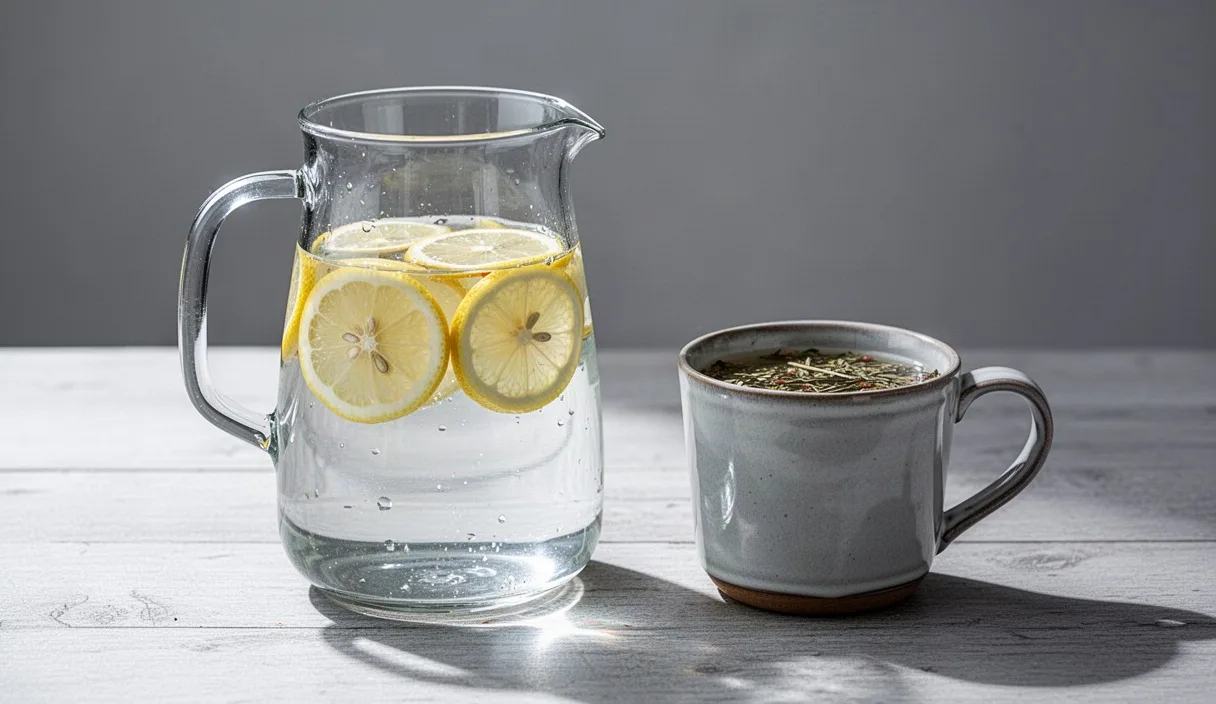

Thirst signals fade with age. By age 65, the body carries roughly 10 percent to 15 percent less total water volume than it did at age 25. That drop leaves little buffer when temperatures rise, fever strikes, or an infection settles in. Waiting to drink until your mouth feels dry often means mild dehydration has already set in, placing sudden strain on the circulatory system and brain tissue.
Dehydration ranks among the ten most frequent diagnoses responsible for hospital admissions among adults over 65. The symptoms rarely mirror the classic signs seen in younger adults. Dry cracked lips and complaints of extreme thirst give way to subtle changes in balance, uncharacteristic sleepy spells, and sudden shifts in mental clarity. Catching these cues early keeps minor fluid dips from turning into medical crises.
Blunted thirst mechanisms: why your brain misses fluid deficit
Aging alters the neuroendocrine feedback loops that manage water balance. In a younger body, a plasma osmolality rise of just 1 percent or 2 percent triggers the hypothalamus to generate conscious thirst and tells the posterior pituitary gland to release vasopressin, the antidiuretic hormone. In older adults, those osmoreceptors in the brain lose sensitivity. The brain registers the thickened bloodstream much later, sometimes failing to prompt a desire to drink even after 24 hours of fluid deficit.
Physical kidney changes compound this hypothalamic deficit. The aging renal cortex loses functional nephrons, reducing the kidneys' ability to concentrate urine and conserve water when intake drops. A 75-year-old kidney must push more water out to excrete the same solute load of urea and creatinine that a 30-year-old kidney clears with minimal fluid. You lose more baseline water through urination while your brain sends fewer alerts to replace it.
Prescription drugs complicate these mechanics. Many older adults take medications that alter fluid handling, including:
- Loop and thiazide diuretics: Force kidneys to dump sodium and fluid to lower blood pressure, bypassing normal retention instincts.
- ACE inhibitors: Suppress angiotensin II, a hormone that normally stimulates thirst in low-fluid states.
- Anticholinergics: Reduce saliva production, which masks whether mouth dryness stems from fluid loss or drug side effects.
- SGLT2 inhibitors: Increase urinary glucose and water excretion, pulling extra volume out of the vascular system daily.
Physical indicators: skin turgor test, dry eyes, and dark urine
Standard physical tests must be adapted for aging physiology. The classic skin turgor pinch test on the back of the hand fails in older populations because aged dermis naturally loses collagen and elastic fibers. Testing the hand produces false positives for dehydration. Instead, test skin elasticity over the sternum, directly beneath the clavicle, or on the inner aspect of the upper arm. Pinch a fold of skin gently between thumb and forefinger for three seconds, then release. Hydrated tissue snaps flat in less than two seconds. Persistent tenting for three seconds or longer indicates significant interstitial fluid depletion.
Oral membranes and the conjunctiva of the eye offer clearer physical evidence. Examine the axilla (armpit) and the junction where the lower gum meets the cheek. If the armpit is completely dry and the tissue between the lip and gum feels tacky or like dry paper, systemic fluid levels have dropped. Tear production drops as well. When dry eyes appear suddenly along with dry mucous membranes, consider fluid deficit before reaching for lubricating eye drops.
| Urine Color Marker | Hydration Category | Recommended Action |
|---|---|---|
| Pale straw to light yellow | Optimal hydration | Maintain standard fluid intake routine. |
| Deep yellow to amber | Mild to moderate deficit | Drink 250 to 350 milliliters of water within 30 minutes. |
| Dark tea or brown tint | Severe fluid shortfall | Begin measured oral rehydration; evaluate for infection or call a clinic. |
Urine color serves as a useful daily guide, though caveats apply. Morning urine concentrates overnight and appears darker naturally. Multivitamins containing riboflavin (vitamin B2) turn urine bright neon yellow for roughly four hours after ingestion, which can mask the true color. Certain medications, like nitrofurantoin or sulfasalazine, turn urine dark orange regardless of hydration status. If dark urine persists across three consecutive daytime voids despite fluid intake, request a urinalysis from your doctor to rule out blood, bile pigments, or bacterial colonization.
Cognitive symptoms: sudden confusion and lethargy
Sudden cognitive dips often stem from dry blood vessels rather than primary neurological conditions. As fluid leaves the bloodstream, blood pressure drops and blood volume shrinks, reducing perfusion to the cerebral cortex. A drop of just 2 percent in normal hydration levels slows down psychomotor processing speed, degrades short-term recall, and increases reaction times. Caregivers frequently misinterpret these sudden shifts as rapid-onset dementia or standard aging fatigue.
Acute delirium represents an advanced marker of dehydration. Unlike progressive cognitive diseases like cellular vitality's, which advance across months and years, dehydration-induced confusion develops within hours or days. The person might struggle to recognize familiar spaces, display erratic mood swings, or become combative. When an older adult exhibits acute behavioral changes, checking hydration markers should precede neurological evaluations.
Physical lethargy tracks closely with these cognitive drops. When intravascular volume falls, the cardiovascular system works harder to deliver oxygen to large muscle groups and organs. Resting heart rate climbs by 5 to 10 beats per minute to compensate for diminished stroke volume. Look for these subtle behavioral cues:
- Unplanned afternoon naps lasting longer than 90 minutes in someone who rarely naps.
- Unsteady, shuffling steps caused by orthostatic blood pressure drops upon standing.
- Unwillingness to engage in simple daily activities, such as preparing a meal or checking the mail.
- Slurred speech or difficulty finding basic words during routine conversation.
Kidney function and electrolyte balance in low-hydration states
Fluid deprivation forces the kidneys into emergency conservation mode. Blood entering the renal artery slows, dropping the glomerular filtration rate (GFR). Without adequate hydrostatic pressure inside the renal filtering units, waste products back up into the bloodstream. Blood urea nitrogen (BUN) levels spike faster than serum creatinine. A BUN-to-creatinine ratio greater than 20:1 strongly points to prerenal azotemia, a state where kidneys become functionally impaired simply because they lack sufficient liquid volume to push blood through the filters.
Electrolytes fall out of alignment during these dry periods. Sodium levels can shift in two opposite directions, both carrying severe clinical risks:
Hypernatremia (high sodium): Occurs when pure water loss exceeds sodium loss, such as through heavy sweating or extended periods of zero fluid intake. Serum sodium climbs above 145 mEq/L. Water gets pulled out of brain cells to balance the dense bloodstream, causing brain tissue shrinkage, microvascular tears, and seizures.
Hyponatremia (low sodium): Occurs when someone attempts to rehydrate quickly using massive volumes of distilled water or low-solute tea without replacing lost salts, or when the kidneys retain water improperly. Serum sodium drops below 135 mEq/L. Water rushes into brain cells, leading to cerebral swelling, headache, gait instability, and severe falls.
Never attempt rapid self-correction with large quantities of plain water if an older person has gone dry for two days or more. Rebalancing sodium and potassium requires careful, steady fluid titration. Rapid shifts in serum sodium can cause permanent central nervous system damage, such as osmotic demyelination syndrome. Seek clinical guidance for blood testing if acute electrolyte derangement is suspected.
Hydrating through fluid-dense foods: broths, melons, and cucumbers
Drinking plain water is not the only way to replenish the body. Many older adults resist drinking six or seven glasses of water each day due to swallowing difficulties, blunted taste sensation, or fear of urinary incontinence. Roughly 20 percent to 30 percent of daily water intake can come directly from solid and semi-solid foods. Solid food water releases slowly during digestion, providing a continuous drip-feed of hydration and natural electrolytes to the bloodstream.
| Food Item | Approximate Water Percentage | Standard Serving | Fluid Equivalent |
|---|---|---|---|
| Cucumber | 95 percent | 1 medium (sliced) | 190 milliliters |
| Watermelon | 91 percent | 1 cup (cubed) | 140 milliliters |
| Clear chicken or beef broth | 92 percent | 1 cup (240 ml) | 220 milliliters |
| Strawberries | 91 percent | 1 cup (whole) | 135 milliliters |
| Zucchini (cooked) | 94 percent | 1 cup (chopped) | 170 milliliters |
| Plain whole milk yogurt | 85 percent | 1 cup (245 g) | 205 milliliters |
Incorporate warm broths into the midday or evening routine. Lightly salted vegetable, bone, or chicken broths deliver sodium and potassium alongside moisture. This balance supports cellular retention better than plain water for individuals eating small meals. For those managing cardiovascular wellness or heart failure, select low-sodium broths containing roughly 140 milligrams of sodium per serving rather than standard varieties that pack upwards of 800 milligrams.
Use textured fruits and vegetables strategically. Fresh cucumbers, peeled and sliced thin with a sprinkle of salt or dipped in yogurt, provide hydration alongside gentle fiber that will not cause digestive distress. Puréed fruit soups, gelatin made with real fruit juice, and chilled melon wedges serve as low-effort options for those who tire easily while chewing or find glasses of water unappealing.
Daily fluid timeline: spacing water consumption across active hours
Gulping large amounts of water in one sitting overwhelms the bladder and causes rapid urination, doing little to hydrate tissues. A structured timeline establishes steady cellular intake while preventing middle-of-the-night bathroom trips that raise fall risks. Target roughly 1,700 to 2,000 milliliters (about 7 to 8 cups) of total fluid daily, unless a physician has placed you on strict fluid restrictions for congestive heart failure or end-stage kidney disease.
Morning hydration block: 07:00 to 11:00
Rehydrate the vascular bed immediately after waking. Sleep causes six to eight hours of uninterrupted water loss through respiration and transdermal evaporation.
- 07:30 (Upon waking): Drink 200 milliliters of room-temperature water before coffee or tea. Add a squeeze of lemon juice if plain water tastes flat.
- 08:30 (Breakfast): Pair food with one cup of hot tea, coffee, or milk (roughly 240 milliliters), plus a fluid-rich fruit like berries or melon.
- 10:30 (Mid-morning pause): Drink 150 milliliters of water alongside any morning medications that do not require an empty stomach.
Afternoon hydration block: 11:30 to 16:30
Keep blood volume stable during the warmest and most active portion of the day. This reduces afternoon fatigue spells and orthostatic dizziness.
- 12:30 (Lunch): Start the meal with a 180-milliliter bowl of clear broth or soup, followed by a small glass of water (120 milliliters).
- 14:30 (Afternoon refresh): Drink 200 milliliters of cold water infused with mint, sliced orange, or cucumber.
- 16:00 (Post-rest intake): Consume 150 milliliters of water or a low-sugar electrolyte drink, particularly if you have been walking outdoors or completing household chores.
Evening hydration block: 17:00 to 19:30
Front-load remaining fluid requirements before twilight so the kidneys can process the volume well before bedtime.
- 18:00 (Dinner): Drink 150 milliliters of water with the evening meal. Avoid heavy, high-sodium restaurant meals that draw systemic water into the gut overnight.
- 19:30 (Final scheduled drink): Finish 100 milliliters of water or non-caffeinated herbal tea (such as chamomile).
- After 20:00: Restrict intake to small sips only if your mouth feels dry, keeping nocturia episodes to a minimum.
Common mistakes
The most frequent error is intentional fluid restriction driven by fear of incontinence or limited mobility. Many older adults deliberately cut their fluid intake to avoid using public restrooms or to prevent waking up at night. This practice concentrates the urine, which irritates the bladder wall, exacerbates urgency symptoms, and sharply increases the odds of contracting a urinary tract infection (UTI).
Another dangerous misstep is swapping water entirely for caffeinated sodas, sweet teas, or high-sugar juices. Caffeinated drinks can act as weak diuretics in individuals unaccustomed to them, while sugary drinks draw fluid into the intestinal lumen through osmotic force, sometimes triggering diarrhea and worsening whole-body dehydration. Avoid relying on thirst as an alarm bell; rely on the clock and measured containers instead.
Immediate actions for daily hydration
Stabilizing fluid balance does not require complex medical equipment. Start by establishing a personal baseline today:
- Fill a dedicated 1-liter or 1.5-liter pitcher or reusable water bottle every morning at 07:00. This provides a clear visual check on your progress throughout the day.
- Perform an elasticity check over the clavicle once every morning and note your urine color during the second bathroom visit of the day.
- Consult your primary care physician to confirm your daily fluid targets, particularly if you have been diagnosed with chronic kidney disease, congestive heart failure, or take daily loop diuretics. Ask for clear minimum and maximum fluid milliliter limits tailored to your lab results.